

by First Give
Real-world learning as a trigger for engagement and outcomes

Back in March, we were proud to celebrate an independent evaluation of the First Give Programme. The findings included much that those involved in First Give can be proud of, alongside valuable recommendations and learning for the future. Over the coming months, the team and I will be digging into some of these insights to reflect more fully on what we know from our work.
This month, I wanted to start with the following insight:
Face to face interaction with charity representatives was frequently described as a “lightbulb moment”, enabling students to see social issues in a real-life context rather than as abstract or hypothetical concepts.
At First Give, we work with young people to unlock their capacity as philanthropic citizens. That means creating the conditions for them to understand the role they can play in strengthening their communities. Recognising the social issues around them, understanding the work charities do to address those challenges, and developing the confidence to take action themselves.
But unlike many classroom-based learning experiences, First Give programmes doesn’t simply ask students to imagine these things. There are real world implications to the activities that young people lead. It is all about them making real and observable changes in their community.
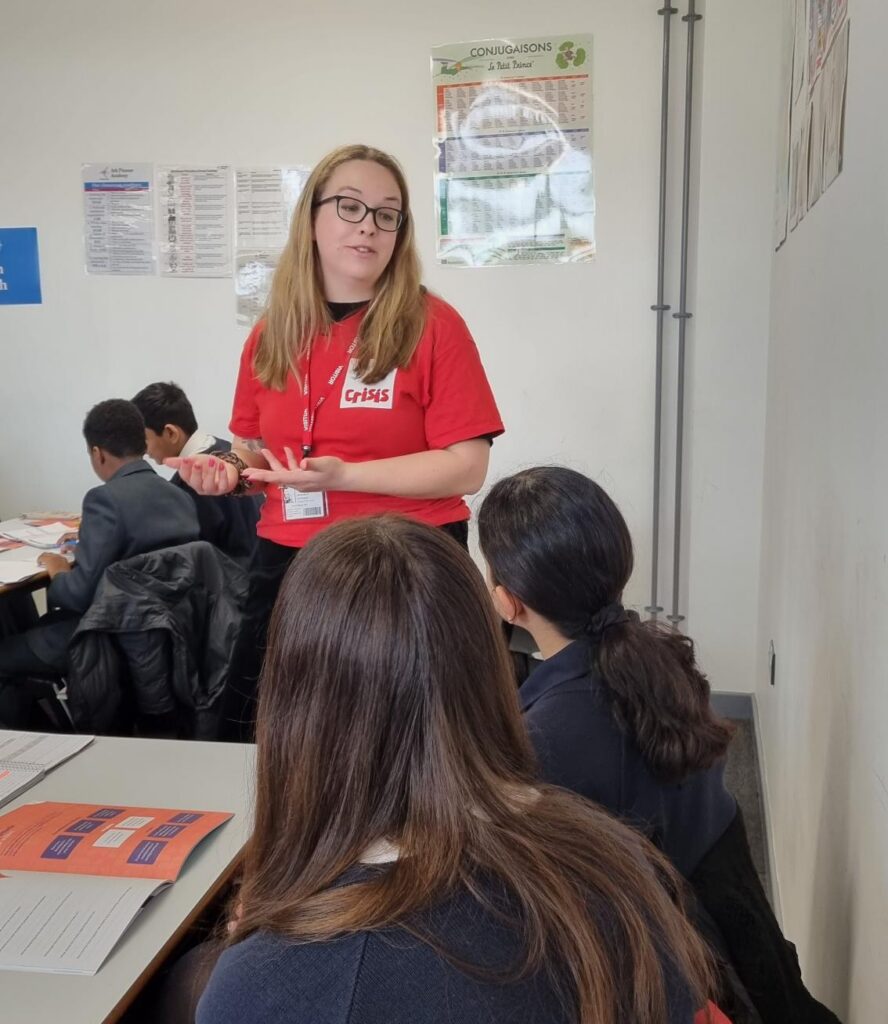
When students meet representatives from local charities, they hear first-hand about challenges facing people in their local area. The stakes are real.
When we go into schools to launch our programmes, young people are quite often not expecting a real-life experience. In many cases, it takes them some time before they actually believe that it isn’t hypothetical. But when they get to meet a representative from a charity they have researched and chosen to support, well, then it becomes real. The issue being discussed is real. The funding is real. The people who will benefit are real. I have no doubt that is why young people so often rise to the occasion.
Beckfoot School – a real-life example
Simon Wade, Principal at Beckfoot School in Yorkshire, reflected on exactly this when we sat down with him last year:

“Through the First Give programme, our students have the opportunity to meet with local charities…because they’ve met them, their affinity for that charity grows, encouraging our students to really make a difference… In some cases, our students have been really proactive, and they’ve gone and visited the charities and met the people they’re making a difference to. They see firsthand the difference that their efforts make.
What we saw at our Final this year, it was the culmination of a lot of hard work and preparation from the tutors and students, but actually some of the benefits go far beyond that.
One of our students who participated this year is Albert. Albert doesn’t communicate. He comes to school, and he’s got a set of needs that are unique to Albert. At our First Give Final, he delivered four lines to a hall of over 300 people, and the local MP. I don’t think there was anybody in that room, who didn’t know Albert’s situation, who wasn’t shocked by this…the programme sparked something in him. He wanted to do this, which is so far out of his comfort zone.
A room full of 12-13 year old students were so engaged at the Final this year. So engaged, and so respectful as they watched different presentations over a 90-minute period. You can’t take that for granted, why is that? That didn’t just happen. I think it’s because it meant something to them. They understood what they were trying to do here. The difference that they were trying to make to other people’s lives, not just their own. In fact, most of the students don’t see this as something that’s going to make a difference to their life at this stage, it’s all about others.
Ultimately, it’s about things that have purpose…this is something that is about genuine co-construction and is about developing the values that will make a difference in young people’s lives.”
I am certain that school leaders across our network will recognise stories like this. When given real responsibility, ownership and agency, young people quite often reveal a completely different side of themselves. I have lost count of the number of times a teacher has said to me that they are surprised by the students who have put themselves forward to present at their school’s First Give Final. There are hundreds, if not thousands of Alberts out there taking part in First Give every year.
Engagement, attendance and belonging
School leaders up and down the country know that we face an epidemic in this country, with 36% of English 14 year olds reporting a low sense of belonging in school. That is compared to an international average of 21% (TIMSS 2023). This has a knock on effect in so many ways. But the first step to belonging is feeling engaged.
The reasons for these challenges around engagement and attendance are complex and influenced by many different factors. But I do think that experiences with real-world implications and outcomes can play an important role.
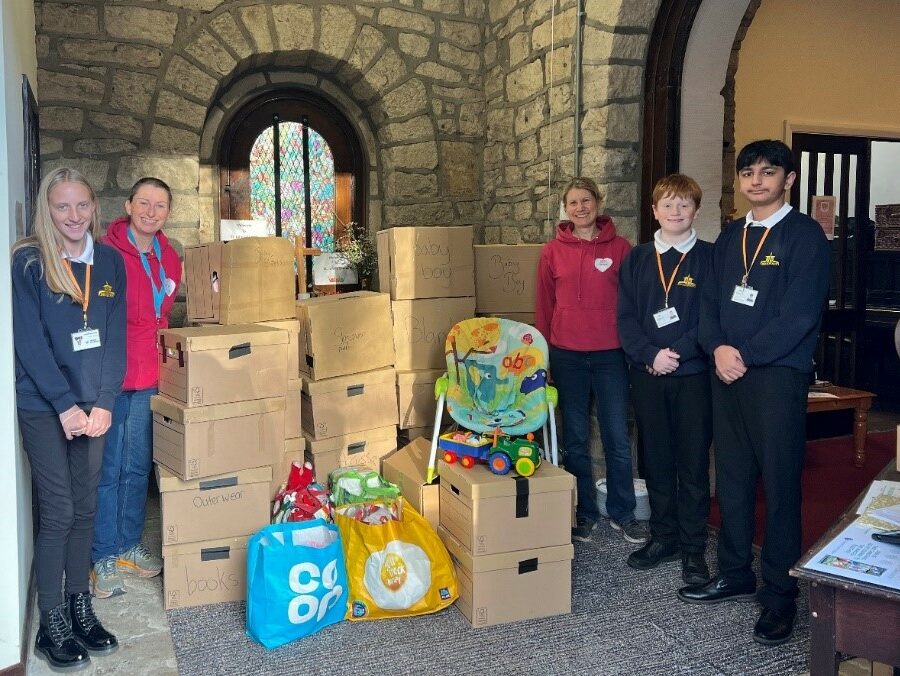
When someone feels that what they do can have a real impact, they are far more likely to participate. This is true of young people as much as anyone. As students go through a First Give programme, and ultimately see that their actions can make a positive change for others, they develop a new confidence, and a sense of agency. These are critical outcomes which can help more young people to engage with life at school, whilst also preparing them for life more generally.
Philanthropic Citizenship
Ultimately, First Give exists to unlock young people’s capacity as philanthropic citizens. The evaluation suggests that these “lightbulb moments” are important because they help young people to understand their community better. But perhaps more importantly, they begin to understand themselves better too.
As students progress through the programme, they are not simply learning about charities or social issues. They are developing an understanding that they themselves can give their time, money or skills to create positive change. That is what we mean by philanthropic citizenship.
Rather than giving young people a one-off experience of fundraising or social action, First Give programmes help young people develop a stronger sense of themselves as people who can make a difference in their communities. The real-world nature of the programme is critical to that journey. Young people see the impact of their actions. They meet the people involved. They understand the outcomes that follow from their decisions.
That is why First Give generates wider benefits for schools. When young people experience genuine purpose, engagement often follows. When engagement follows, confidence, skills, agency and belonging can grow too.
And sometimes, as Simon put it, that process can “spark something” that changes how a young person sees both the world around them and their place within it.
For more on how First Give programmes can support key secondary school priorities, get in touch on info@firstgive.co.uk or take a look at the following Curriculum Links page: Curriculum Links – First Give. This speaks to the curriculum in both Wales and England.